

Why Managing Change is Essential for 7-Figure Business Leaders

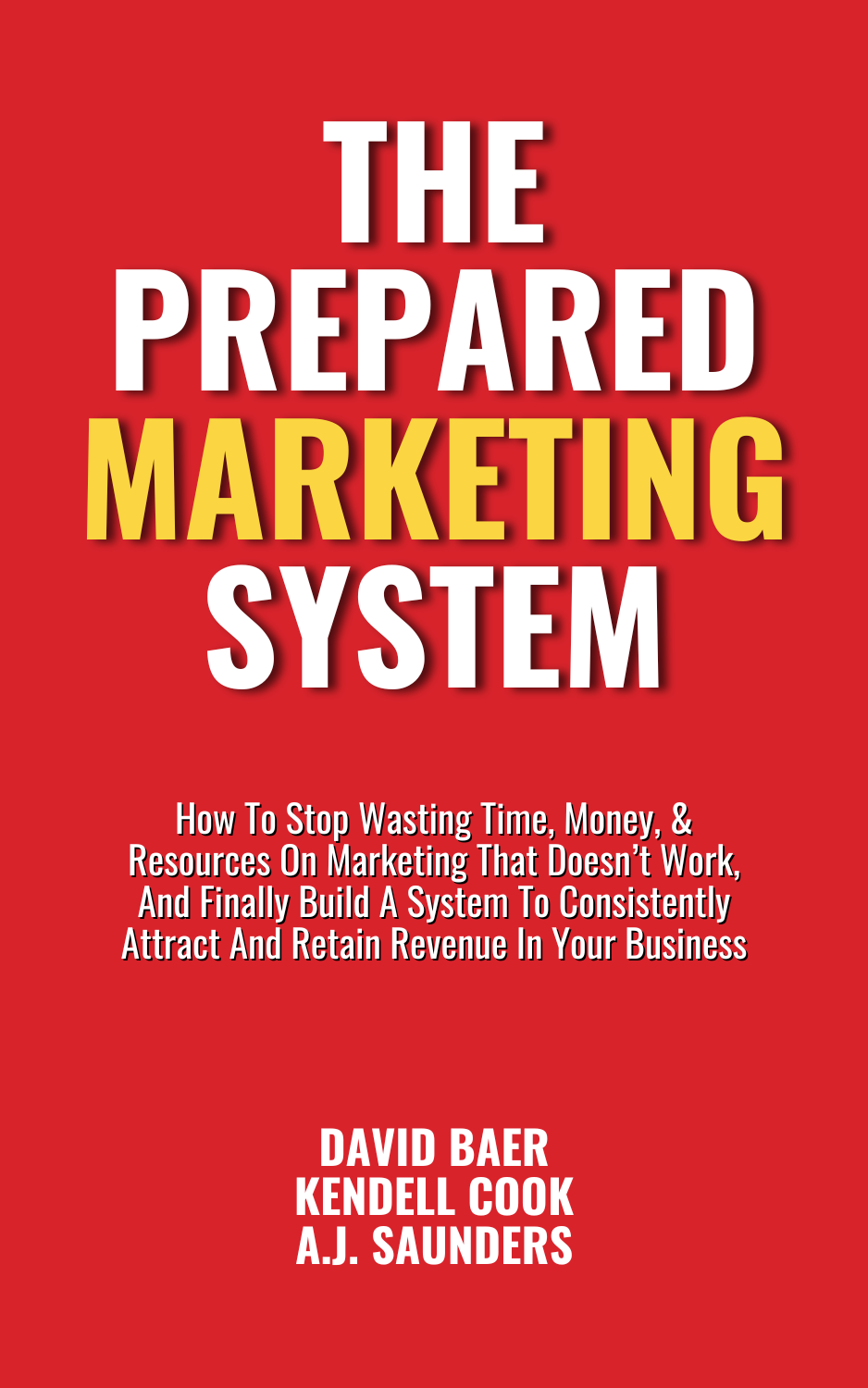
Grab your free copy of my book, The Prepared Marketing System, so you can access the tools and insights needed to build a business that’s resilient, efficient, and ready for the next stage of growth.

As businesses scale, they encounter growing pains that, if unmanaged, can lead to chaos, inefficiency, and team burnout.
Whether it’s rolling out new systems, expanding service offerings, or adjusting to market demands, managing change effectively is a critical skill for sustainable growth.
The Prepared Marketing System emphasizes building predictable, repeatable processes to minimize friction, optimize resources, and create an environment where change is an opportunity rather than a threat.
This roadmap outlines practical steps to guide your team and systems through growth transitions.
1. Audit Current Systems Before Implementing Change
Before introducing any new processes or systems, you must evaluate what’s currently working—and what isn’t. Without clarity, changes may exacerbate inefficiencies or disrupt critical workflows.
Action Step: Conduct a full operational audit focused on the systems and processes most impacted by the proposed changes.
Practical Tip: Use a tool like a simple process mapping template to identify areas of redundancy or lag in your current workflows. Focus on customer-facing systems and team workflows, as these are the most vulnerable to disruption during transitions.
2. Prioritize Changes Based on Impact and Feasibility
Not all changes are created equal. By prioritizing changes that deliver the greatest impact with the least disruption, you can maintain momentum while minimizing risks.
Action Step: Use an Impact vs. Effort Matrix to categorize potential changes. Focus first on high-impact, low-effort improvements to build early wins and team buy-in.
Practical Tip: If the change involves new customer-facing technology, pilot it with a small segment of your client base before a full rollout.
3. Communicate the “Why” Behind Every Change
Resistance to change often stems from a lack of understanding. Your team and clients need a clear explanation of why the change is happening and how it benefits them.
Action Step: Host team-wide and one-on-one meetings to explain the strategic rationale for the change, focusing on long-term benefits.
Practical Tip: Create a one-page “Change Overview” document summarizing the purpose, timeline, and expected outcomes. Share it across all departments to ensure consistency.
4. Start Small: Implement Incremental Changes
Rolling out change in phases minimizes risk and allows for adjustments based on real-time feedback. This is particularly crucial when dealing with changes that affect customers directly.
Action Step: Break larger initiatives into smaller, testable phases. Measure results at each phase before scaling further.
Practical Tip: For example, if you’re rolling out a new CRM, begin by integrating just one department (e.g., sales) and refine the process before expanding to customer service and marketing.
5. Equip Your Team for Success
Even well-designed changes will fail if your team lacks the skills or tools to execute them. Training and support are non-negotiable.
Action Step: Create a dedicated onboarding program for any new tools or processes, with step-by-step guides and designated support channels.
Practical Tip: Use team leads or champions to train smaller groups, ensuring everyone has access to hands-on support during the transition.
6. Monitor Progress and Gather Feedback
Change isn’t a one-and-done process. Ongoing monitoring allows you to identify and address unforeseen challenges early.
Action Step: Set measurable KPIs tied to the change initiative (e.g., reduced customer onboarding time, faster internal approvals).
Practical Tip: Schedule weekly check-ins with team leads to review progress, gather feedback, and make iterative improvements.
7. Celebrate Wins to Build Buy-In
Acknowledging progress keeps your team motivated and demonstrates the value of the change.
Action Step: Publicly recognize team members who excel during the transition. Share results that show tangible improvements, such as increased customer satisfaction or reduced errors.
Practical Tip: Create visual dashboards to highlight ongoing progress and keep momentum high.
Why Change Requires Systems, Not Guesswork
Managing change effectively isn’t about being reactive; it’s about being proactive with systems that support growth.
From auditing current operations to incrementally rolling out improvements, every step of this roadmap aligns with the Prepared Marketing System’s philosophy of creating predictable, scalable processes.
Take the Next Step Toward Scalable Growth
This roadmap is only the beginning. While it gives you the tools to manage individual change initiatives, true scalability requires a holistic system for growth.
The Prepared Marketing System offers a comprehensive framework to attract, convert, and retain ideal clients while optimizing your operations for long-term success.
Download The Prepared Marketing System today and gain access to the strategies and templates leaders are using to build businesses that thrive under any market condition.
If this helped you, consider sharing The Systems Brief with another business owner who’s ready to build a business that runs on systems, not hope.