

How To Design a Client Experience That Scales

Grab your free copy of my book, The Prepared Marketing System, so you can access the tools and insights needed to build a business that’s resilient, efficient, and ready for the next stage of growth.

Why Client Experience is the Key to Scaling
When your business grows, so do the demands on your processes, team, and resources. The client experience is no exception. Scaling a business isn’t just about acquiring more clients; it’s about ensuring every client feels valued and receives consistent, high-quality service—no matter how much your client base expands.
This guide will help you design a client experience system that scales with your business, maintains loyalty, and improves profitability.
What is a Scalable Client Experience?
Definition
A scalable client experience is a system of repeatable, automated, and personalized touchpoints that ensures every client receives excellent service without overwhelming your team or resources.
Why It Matters
Retention is Cheaper Than Acquisition: Acquiring a new customer costs 5x more than retaining an existing one.
Referral Growth: Happy clients refer others, creating a pipeline of qualified leads.
Profitability Through Efficiency: Systems reduce time spent on repetitive tasks while delivering consistent value.
The Building Blocks of a Scalable Client Experience
1. Onboarding That Wows
Why It Matters: First impressions set the tone for your relationship. A chaotic onboarding process leads to confusion and mistrust.
Steps:
Automate the Basics: Use tools like Dubsado or HubSpot to automate welcome emails, contract signing, and payment collection.
Personal Touch: Send a personalized video or note introducing their account manager or key contact. Tools like Loom can make this easy.
Deliver a Welcome Packet: Include expectations, timelines, FAQs, and resources they can refer to.
Example:
A marketing agency sends new clients a branded welcome packet that includes a short video explaining the next steps, a personalized checklist, and a link to schedule their onboarding call.
2. Clear Communication Systems
Why It Matters: Clients should always know what to expect and how to reach you when needed.
Steps:
Set Clear Expectations: Outline your communication policy upfront (response times, primary contact methods, etc.).
Create a Client Portal: Use platforms like Notion or ClientJoy to give clients access to project updates, deliverables, and notes.
Automated Check-Ins: Schedule recurring emails or texts to update clients on progress, even if no action is required from them.
Example:
A consulting firm uses Monday.com to provide real-time project updates. Clients can log in anytime to see which phase of the project is in progress.
3. Systematized Touchpoints
Why It Matters: Proactive communication keeps clients engaged and prevents churn.
Steps:
Map the Customer Journey: Identify key moments where communication or engagement is needed (e.g., onboarding, milestones, renewal periods).
Automate Regular Updates: Use a CRM to schedule touchpoints like milestone celebrations, contract renewals, or feedback requests.
Include Personalization: Even automated emails can include personalization tokens (e.g., client name, specific project milestones).
Example:
A SaaS company automates email sequences at 30, 60, and 90 days to share usage stats, training resources, and a renewal reminder, personalized for each account.
4. Feedback Loops for Continuous Improvement
Why It Matters: Understanding client needs and acting on feedback strengthens trust and improves your offerings.
Steps:
Ask for Feedback: Send a post-project or quarterly survey using tools like Typeform. Keep it short and actionable.
Close the Loop: Share what you’re doing with their feedback to show you’re listening.
Spot Trends: Use data analytics to identify common pain points and address them proactively.
Example:
A financial advisor sends clients a one-question quarterly survey: “What’s one thing we could improve?” Then, they share a monthly update addressing common feedback themes.
5. Retention-Focused Initiatives
Why It Matters: Repeat business is the foundation of scalable growth.
Steps:
Loyalty Programs: Offer exclusive benefits for long-term clients (e.g., discounted services, VIP perks).
Upselling Moments: Identify times when clients could benefit from an additional service. Approach it as solving a need, not making a sale.
Surprise and Delight: Send thoughtful, unexpected gifts or notes to show appreciation.
Example:
A law firm sends their top clients a handwritten thank-you note and a high-quality journal at the end of the year to thank them for their partnership.
Avoiding Common Pitfalls
Over-Automation: While automation saves time, overdoing it can make your service feel impersonal. Always balance efficiency with personalization.
Inconsistent Execution: Systems fail if your team doesn’t use them consistently. Regular training is essential.
Neglecting Retention: Don’t focus so much on acquiring new clients that you ignore your existing ones.
Measuring and Optimizing Your Client Experience
Key Metrics to Track:
Net Promoter Score (NPS): How likely are clients to refer you to others?
Customer Retention Rate: How many clients stay with you year over year?
Time to Onboard: How quickly can you onboard a client while maintaining quality?
Client Churn Reasons: Why do clients leave, and what can you do to address it?
Action Step:
Set a quarterly review to analyze these metrics, refine your processes, and identify areas for improvement.
Your Scalable Experience, Their Ongoing Loyalty
Scaling a client experience system isn’t just about tools or automation—it’s about creating meaningful, repeatable interactions that make your clients feel valued at every stage of their journey.
By designing these systems, you not only retain your existing clients but also create a reputation that naturally attracts new business.
To take this even further, you’ll need a comprehensive approach that integrates every aspect of your business into a cohesive, scalable system.
That’s exactly what The Prepared Marketing System provides—a proven framework to align your client experience, marketing, and operations for sustainable growth.
Download the guide now to start building a business that scales effortlessly while delighting your clients every step of the way.
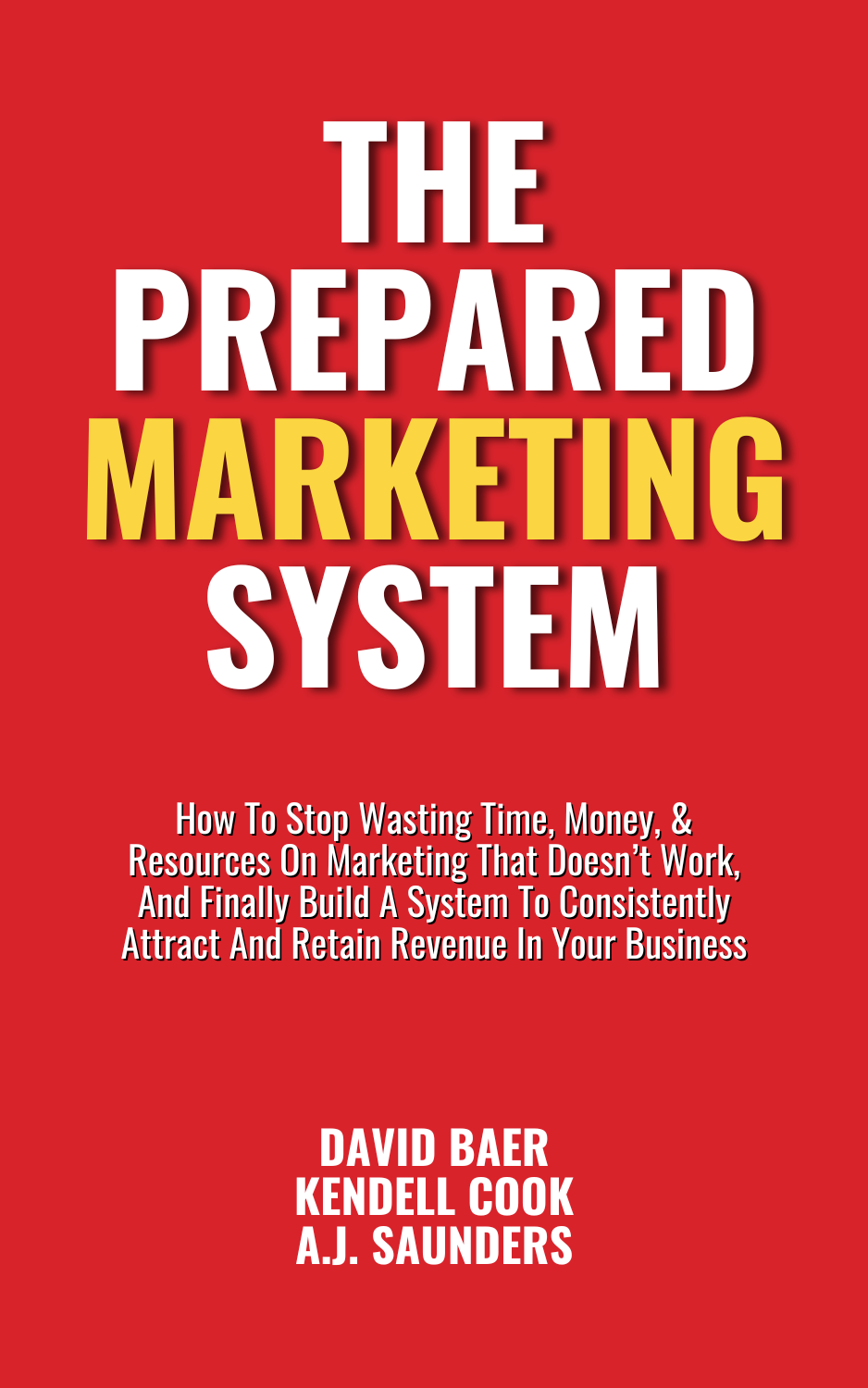
👉🏼 Request a free copy of my book, The Prepared Marketing System, and get access to the tools and insights needed to build a business that’s resilient, efficient, and ready for the next stage of growth.
DOWNLOAD YOUR FREE COPY HERE
If this helped you, consider sharing The Systems Brief with another business owner who’s ready to build a business that runs on systems, not hope.